

Shavuot is more than just the ‘dairy’ festival. Discover classic plant-based festive foods from around the Jewish world, and enjoy a delicious vegan Shavuot!
Vegan Shavuot?
On Shavuot, when dairy foods are the star of the show, catering for vegans can prove especially problematic. What to eat, or serve to vegan family and friends, when everyone else is noshing cheesecake?!
Worry no longer! It’s perfectly possibly to blend Jewish food traditions and compassionate dietary choices. There are many traditional recipes from around the Jewish world that make celebrating a vegan Shavuot both easy and delicious! Below I’ve gathered together some tasty, plant-based alternatives that everyone will love this Shavuot.

History of dairy food traditions on Shavuot
Shavuot, also known as the Feast of Weeks, is the celebration of the giving of the Torah on Mount Sinai. It falls in late Spring/early Summer, and is also linked to the ancient agricultural cycle, as it is the date of the early harvest.
Keeping things kosher
The festival has a rich culinary tradition, often associated with dairy foods. There are many reasons given for this. First is that the Israelites at Sinai avoided eating meat to avoid breaking the as-yet-undisclosed rules of kashrut. However they could well have chosen a completely plant-based foods, and not eaten dairy products at all.

A land of milk and honey
Another suggested reason is the reference to the Torah’s description of Israel as a land flowing with “milk and honey.” But these are not the milk and honey that we think of today! As Vegan Rabbi Akiva Gersh writes:
According to all opinions, the “honey” that the verse is referring to is not bee honey, as most Westerners are used to, but rather date honey (“silan” in Israel).
Regarding “milk”, Rabbi Eliezer is quoted in the Talmud as saying:
“Milk is referring to the milk of fruits”.And Rabbi Yehonatan ben Uziel teaches that:
“”A land flowing with milk and honey” means that its fruits are rich like milk and sweet like honey.”

A practical choice
Personally, I think the most likely explanation is simply one of practicality and pragmatism. When our ancestors were farmers and herders, this would be the time of year when their cows, sheep and goats started producing plenty of milk. After the dry months of winter, these animals would have recently given birth to new calves, lambs and kids. They would therefore be at the height of their milk production cycle. Finding a way to utilise this fresh milk and enhance the Shavuot festival would have been an obvious way to enjoy the bounty!
(Sadly, mass-produced dairy products are a world away from those enjoyed by our ancestors, who probably knew each of their animals by name and temperament. Avoiding the cruelty of modern factory farming processes is often a central reason for adopting a vegan diet and lifestyle.)


Classic vegan Shavuot dishes
Over the centuries, the custom of eating dairy foods on Shavuot has given rise to an array of different milk- and cheese-based dishes being prepared and consumed during the holiday. However, I’ve also found plenty of traditional Shavuot recipes that do not use animal products. Focusing on these ‘alternative’ traditions is a simple way to honour the festival and our diverse culinary heritage, while still respecting a vegan diet.

The seven species
As well as “milk and honey”, Israel is associated with seven special agricultural species. They are wheat, barley, oats, grapes, olives, figs and dates. Dishes including all of these, such as these seven species granola bars, are a great choice for your vegan Shavuot menu. Alternatively you can feature just one or two, or include each of the seven species in a different dish.


Special breads
There is a Sephardic custom to make Pan de los Siete Cielos or Los Siete Sielos – “the bread of the seven heavens” – on Shavuot. This round loaf represents Mt Sinai, surrounded by numerous auspicious symbols. The bread is typically rich and sweet, sometimes flavoured with spices. So you can use any vegan challah dough recipe that you enjoy!

To shape the bread, make a central ball of dough and surround it with seven long strands, said to represent layers of cloud around Mt Sinai. You can then fashion various symbols from small pieces of dough and use them to decorate the loaf. These decorations may include:
- The ladder from Jacob’s dream (connecting Heaven and Earth)
- Torah scrolls and/or Tablets of the Law (10 commandments)
- Miriam’s well
- A serpent
- Birds – said to be the doves on Noah’s ark
- Fish
- A hamsa
Feel free to be creative! Choose any symbol you like from the Torah or Jewish folklore, or any object that has a special meaning to you or your family.

Dishes made with barley and freekeh
Shavuot is the time of the barley harvest in Israel. The narrative of the Book of Ruth takes place at this time, which is one of the reasons why we read it on Shavuot.
Many people therefore have a tradition to eat dishes made with barley as part of their festive meals. It makes a delicious base for a grainy salad. You can also make it into tasty soups, pilafs or a barley risotto.


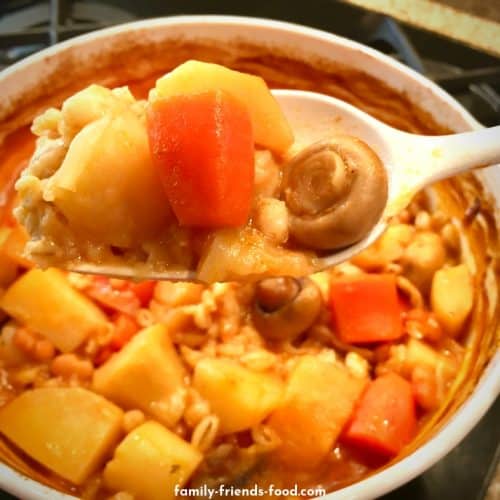

Freekeh is an ancient cereal product, made by charring young dried wheat or barley grains. Some sources believe that freekeh is the ‘roasted grain’ that Ruth shares with Boaz in Megillat Rut. It has a tasty, slightly smoky flavour, and you can use it anywhere you would use bulgur or couscous. Serve it in salads or as a side dish at your vegan Shavuot meal.


The first fruits
Shavuot is also known as Yom Ha’Bikkurim – the day of the first fruits. It was the first day of the year when these offerings could be made in the Holy Temple in Jerusalem. While the Biblical commandment refers only to the seven species detailed above, Shavuot provides a beautiful opportunity to enjoy the new season’s fruits wherever you are, and make a Shehecheyanu blessing.
Here in the UK, cherries and gooseberries are coming into season. You’ll also find local strawberries and other soft fruits.
Enjoy them in a zingy jelly or as part of a fancy dessert, or if you prefer something a little simpler, arrange a beautiful fruit platter, or enjoy your first fruits in a tasty fruit salad.


Roses and rose water
Many communities have the tradition to decorate the synagogue with flowers on Shavuot, to recall the blooms that sprang up on Mt. Sinai when Moses ascended to collect the Ten Commandments. In the Middle East, roses were the most common flower used for this purpose. As a result, Shavuot became colloquially known as the Festival of Roses.
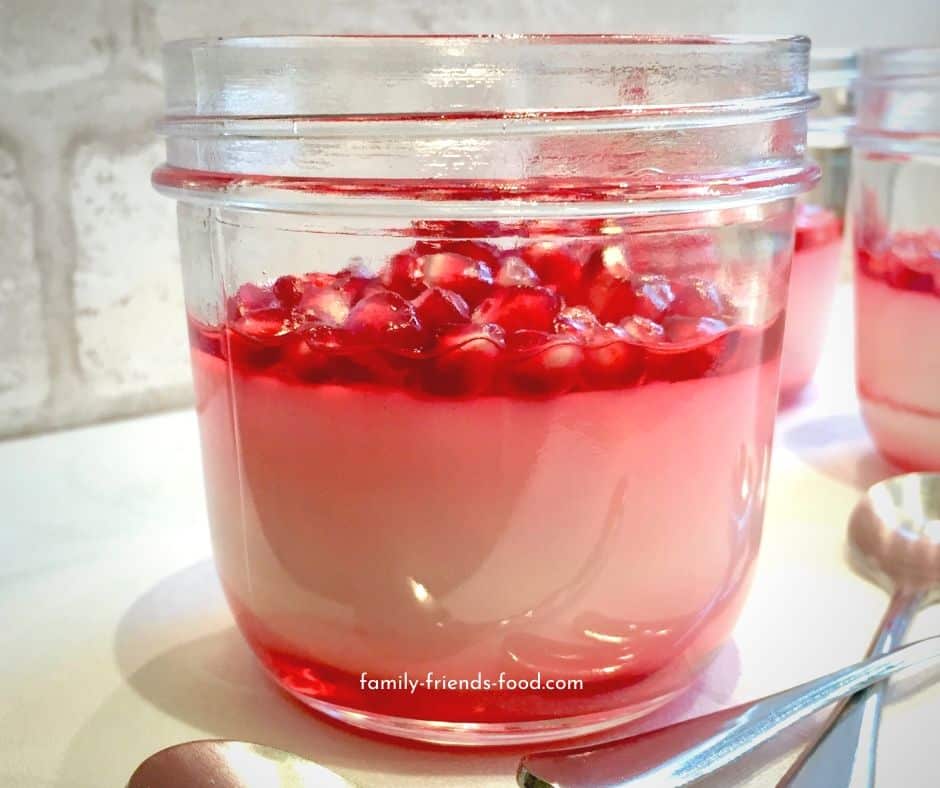
Because of this, foods made using rose petals and flavoured with rose water became traditional Shavuot recipes. This vegan malabi is a creamy pudding flavoured with rosewater and topped with a ruby-coloured pomegranate syrup. I love that its creamy texture also recalls dairy-based milk puddings, while still providing a gorgeous vegan Shavuot dessert.
Vegan alternatives for traditional dairy Shavuot ingredients
With a variety of plant-based substitutes available, a few simple tweaks are often enough to recreate your favourite Shavuot recipes without using dairy products. Here are tips and ideas for replacing the milk, cream, cheese etc in typical Shavuot recipes.
Plant-based cheese alternatives
There are numerous vegan ‘cheeses’ available, including both hard and soft varieties. Look out for fermented nut-based cheeses for the best texture and flavour. Vegan cheese spreads can be substituted for dairy cream cheese when making fillings for pastries or blintzes.
You can also make your own simple vegan cashew cheese spread, which is great on crackers or rolled into balls and served with salads.

Milk and cream alternatives
Plant-based milks such as almond, soy, coconut, and oat milk can easily replace cow’s milk in recipes. Each has its own unique flavour, so you may want to experiment to see which works best for your specific dish. I like to use a mixture of almond and coconut milks, when making this silky and delicious vegan malabi.
Coconut cream offers a rich, creamy texture perfect for soups and sauces. You can also whip it into spoonable peaks for topping desserts.
For cooking and baking, I prefer to use unsweetened plant milks to avoid adding unnecessary sweetness. This is especially true when making savoury dishes like soups, sauces and dressings.

Vegan butter alternatives
Vegan spreads and butter alternatives, made from a blend of oils, can replace dairy butter in baking and cooking, offering a similar flavour and meltability. You can also use pure coconut oil, which is solid at room temperature and perfect for pastry and other similar applications.
For cake batters, sauces etc, simply use oil in place of butter or dairy fat. I use extra virgin olive oil for its delicious flavour and sunflower oil where I want something more neutral.

Egg replacements
While not a dairy product, eggs are often a key ingredient in traditional Shavuot pastries and desserts. For vegan baking, use substitutes like ground flaxseed or chia seeds mixed with water, apple puree, mashed bananas, blended tofu, or commercial egg replacers.
Vegan Shavuot celebrations!
Embracing veganism during Shavuot provides a great opportunity to look beyond the most widespread traditions and explore less well-known but still delicious symbolic foods. Whatever you cook up this Shavuot, I hope you have a joyous and delicious festival! Chag Shavuot Sameach – a Happy Shavuot to one and all!
If you want deliciously easy, family-friendly recipes like this one delivered straight to your inbox, simply click here to subscribe. (Of course, I’ll never pass on your email address to anyone.)

Vegan Shavuot FAQs
Yes! There are plenty of traditional foods for the festival that are completely vegan. Look out for dishes incorporating the Seven Species of the Land of Israel, as well as those using barley and freekeh grains specifically. Rose water is a classic flavouring used in Shavuot desserts. Symbolic breads and pastries representing Mt Sinai are also traditional. They can be baked using vegan doughs.
There are several reasons given for this tradition. One is the association of the land of Israel with “a land flowing with milk and honey”. A second explanation is that Jews at Mount Sinai ate dairy meals, ahead of learning the laws of kashrut. Finally, Shavuot historically coincided with a period of increased milk production, making these foods abundant at this time of year.
Plant-based substitutes for milk, cream and cheese include a variety of options, each lending unique flavours and textures to vegan dishes. Almond milk, soy milk, and oat milk serve as excellent milk replacements. Coconut cream adds a rich texture to soups and sauces and can also be whipped. There are numerous commercially available vegan nut-based cheeses and spreads available. Use these in your cooking and baking, as a vegan way to enjoy traditional Shavuot recipes.
More vegan Shavuot recipes
- Tabbouleh salad with freekeh
- Vegan Cashew ‘Cheese’ with Herbs – easy and delicious!
- Vegan Victoria Sponge cake with berries and cream
- Vegan panna cotta with roasted rhubarb
- One hour vegan challah. Delicious fluffy loaves, done in 60 minutes.
- Tenderstem Broccoli with Garlic Almond Sauce
- Easy roasted asparagus – a quick, gourmet side dish
- Summer pea and bean salad with radishes and dill


This article was first published in May 2025. It was updated and republished in April 2026.


Leave a Reply